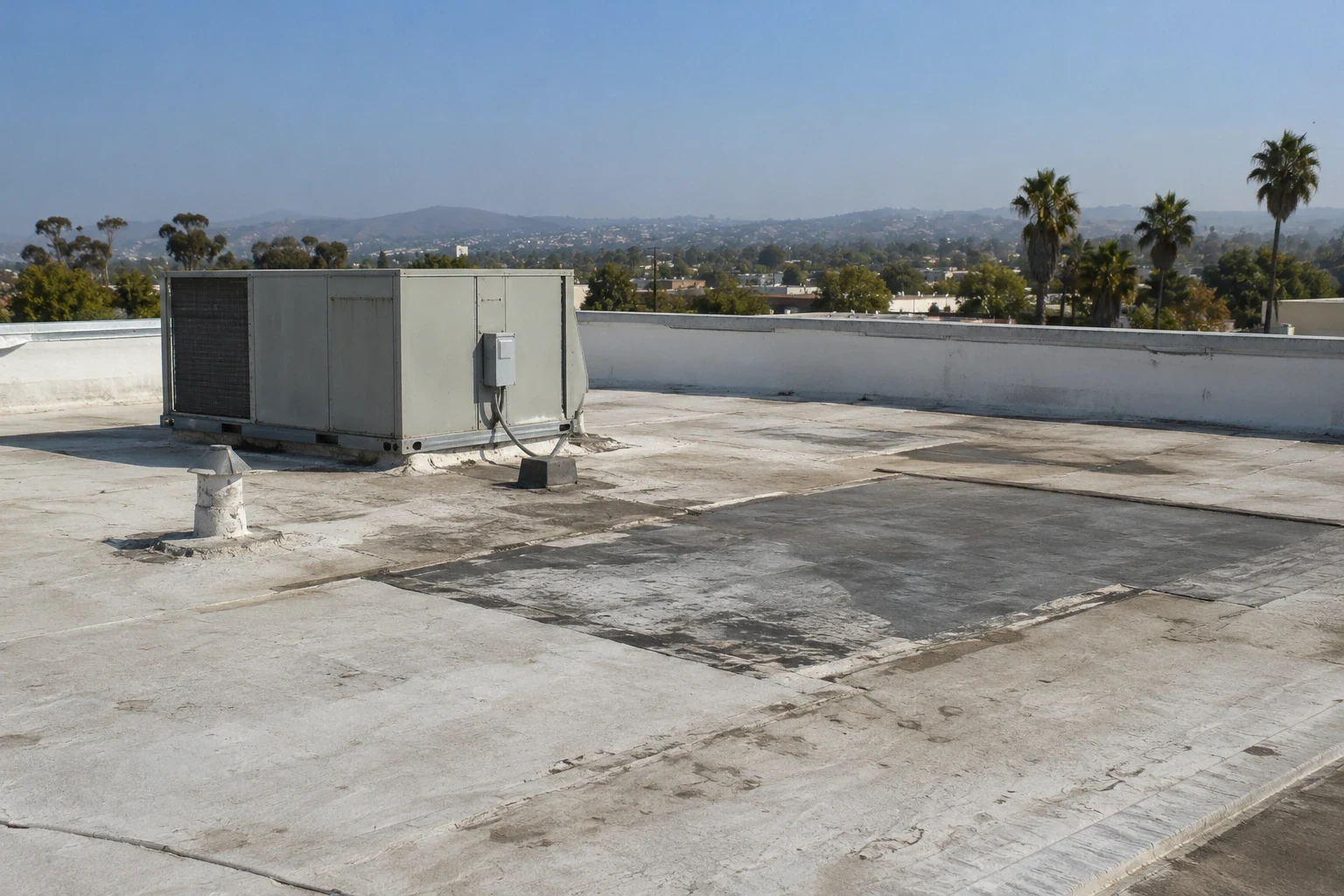
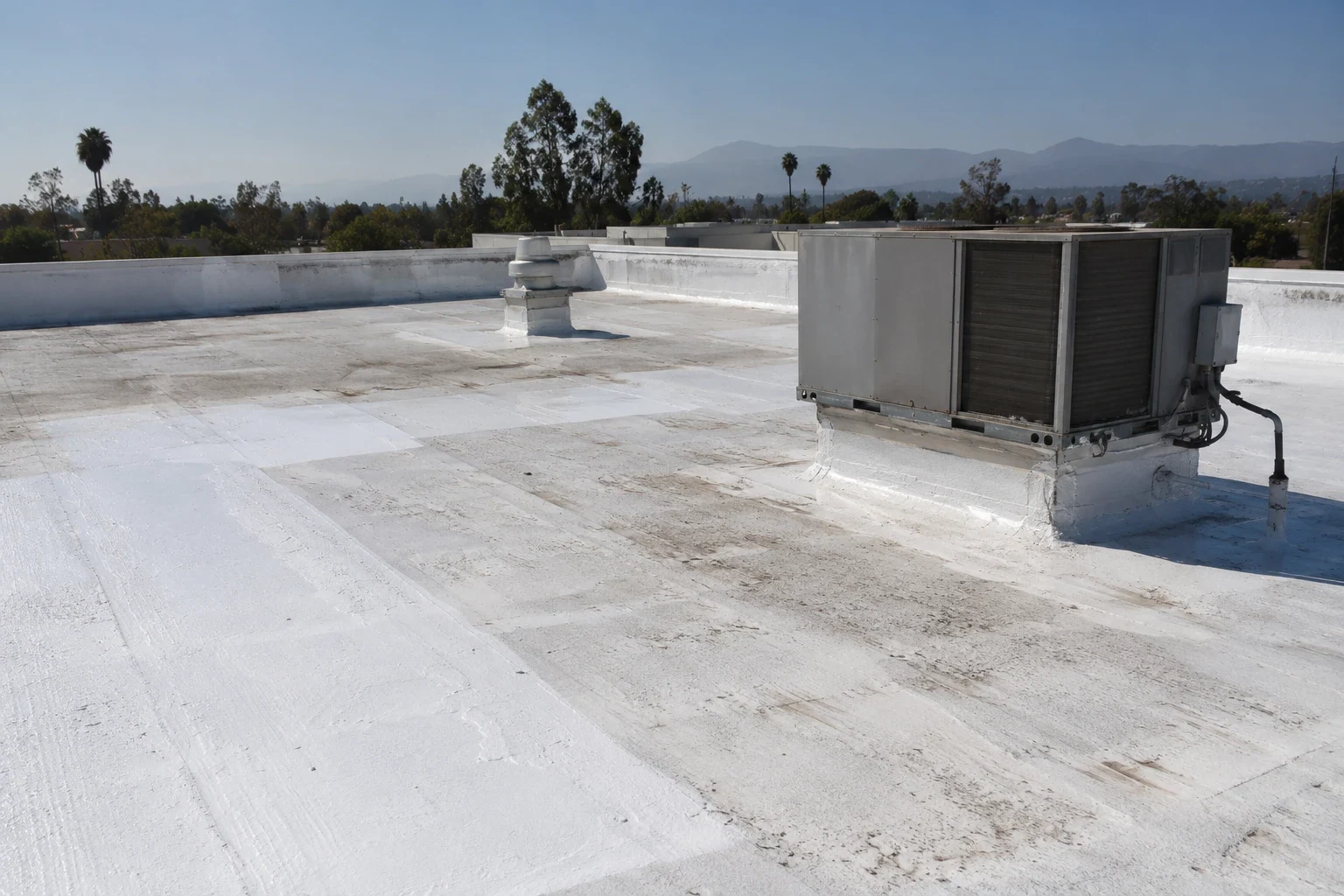
What decides whether investigation should precede bid pricing?
Investigate where concealed condition or an unresolved detail could materially change the option or quantity. Identify the useful method and access needed. Where a condition remains concealed, carry an explicit allowance and discovery procedure. That gives bidders a common basis while keeping the owner's remaining exposure visible in the proposed scope.
How should the contractor compare recover and replacement?
Compare retained construction, preparation, attachment, detail changes and operating protection against the same findings. Recover needs a suitability review; replacement needs a defined removal and reconstruction scope. The deciding factor is what each option must correct and what remains in place, with its unresolved requirements and maintenance expectations stated.
Can a production period set the entire roofing schedule?
It provides an operating window, but design, procurement, application conditions and protection capacity also affect the phase. Coordinate the roof task with equipment and interior milestones, then identify interruptions and closure responsibilities. A schedule is useful when those dependencies are resolved or visible, rather than assumed from the production calendar alone.
What should bring a later investment forward?
A documented change in condition or consequence can justify revising the sequence. Identify the finding, the appropriate response and the information needed for the larger option. Record completed work too, since it can remove a priority. The owner can then review the current plan with the reason behind the proposed change.