A seam has opened twice in the same spot. Is that a repair problem or a membrane problem?
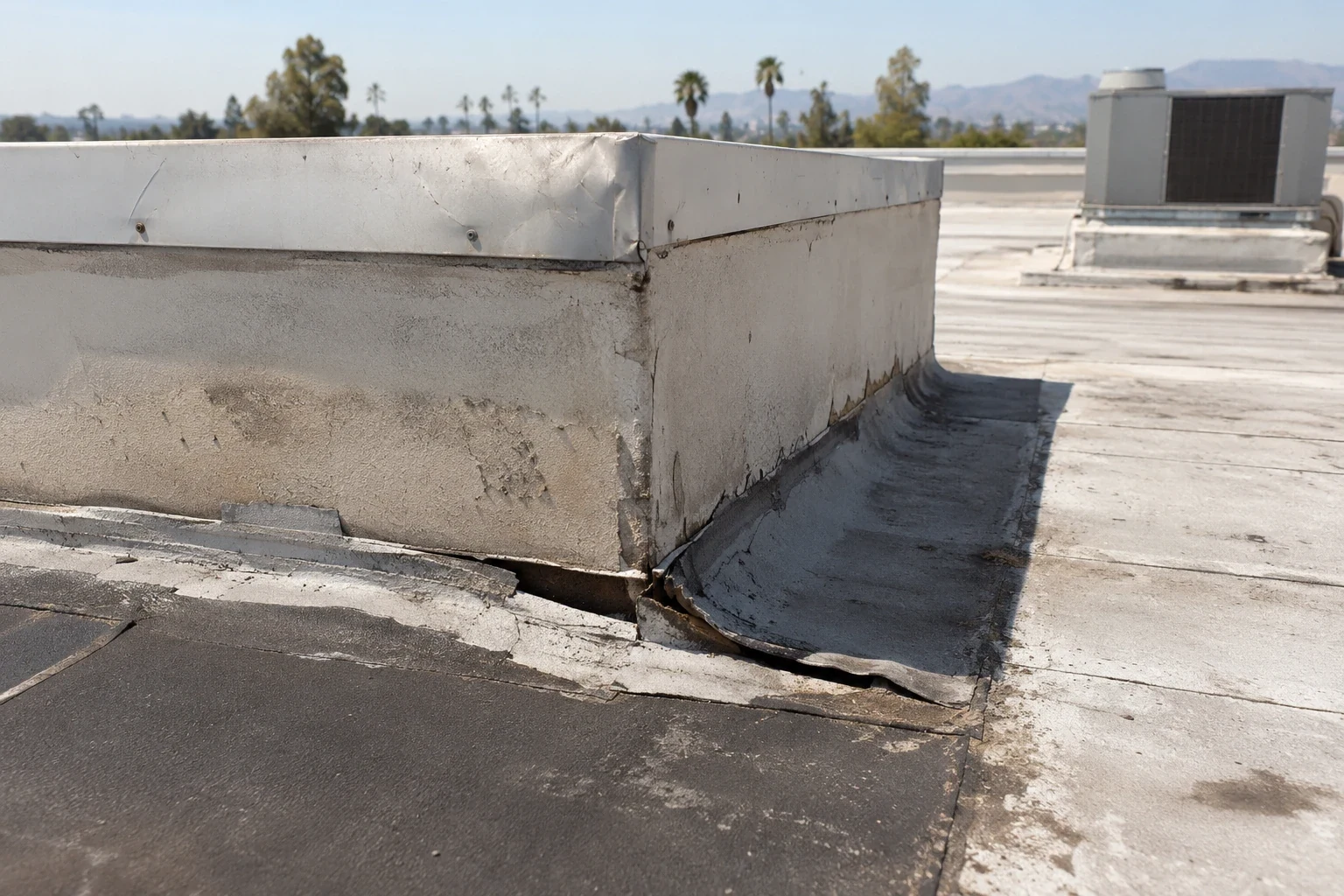
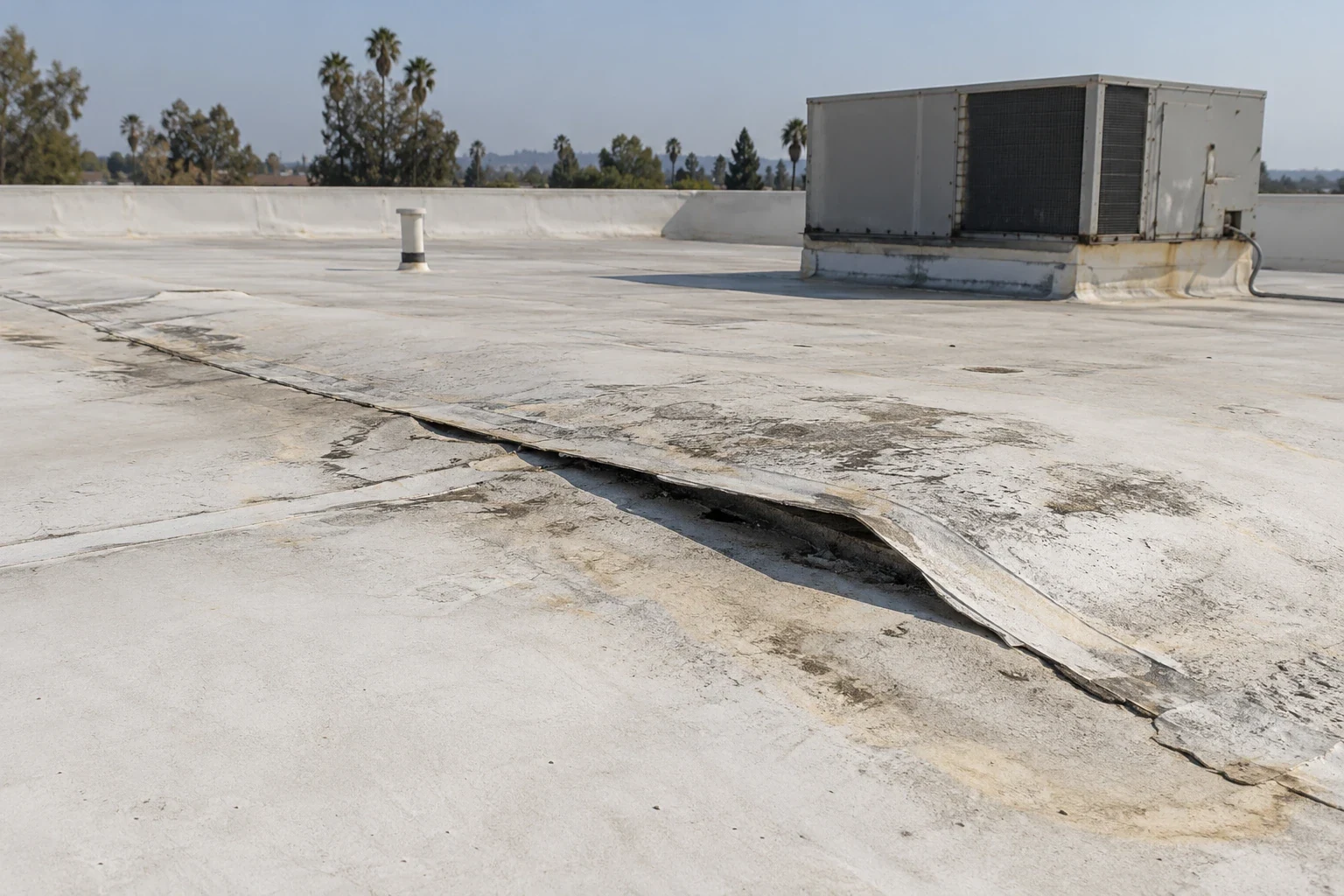
Investigate the repaired location and adjoining connections before assigning a cause. Recurrence may involve movement, preparation, an unresolved interface or a different entry path. Record what the examination supports and develop the revised detail from that evidence, including any needed assessment of surrounding materials.
Can small repairs wait until the tenant improvement is finished?
Assess the water-entry risk and the activities still planned at each location. Active openings may need suitable interim work before finishes proceed, while other repairs can be sequenced with later trades. Agree on protection, responsibility and review arrangements rather than postponing all work under a cosmetic-versus-leaking distinction.
How do you price a roof with a long list of small defects?
Use identifiable locations and quantities with a stated measurement basis. Describe preparation, interface work and concealed-condition allowances separately where they affect the price. The project team can then compare bids and phase work without losing track of the findings behind each proposed repair.
Will working on the roof affect the manufacturer warranty?
Read the actual warranty terms and applicable repair instructions before selecting the procedure. Required notifications, approved products or installer provisions can differ by document. Keep the completed repair record with those documents and resolve any needed manufacturer review before assuming the work preserves coverage.
Which Fremont roofs show the most repair work after a wet winter?
Review the building's drainage, equipment activity and recorded findings. Ardenwood flex properties and Bayside Industrial buildings can have different assemblies and operating requirements. Neighborhood or building age does not establish their repair needs; the investigation should identify the conditions relevant to the proposed work.