Keep the approved equipment layout, support information and completed roof detail together. Include relevant construction photographs and installation checks specified for the chosen system. The operator's commissioning or return-to-service decisions remain separate from the roofing closeout, although their timing should be coordinated. Identify any outstanding observations or work so the finished-location plan does not imply that another trade's unresolved task is complete.
Retain applicable roof documents through roof warranty management, with requirements for later alterations drawn from the actual paperwork. Give maintenance personnel the service route and connection information they need. A clear shared record helps future equipment work preserve the roof interface instead of repeating the investigation because the earlier project's handoff was lost.
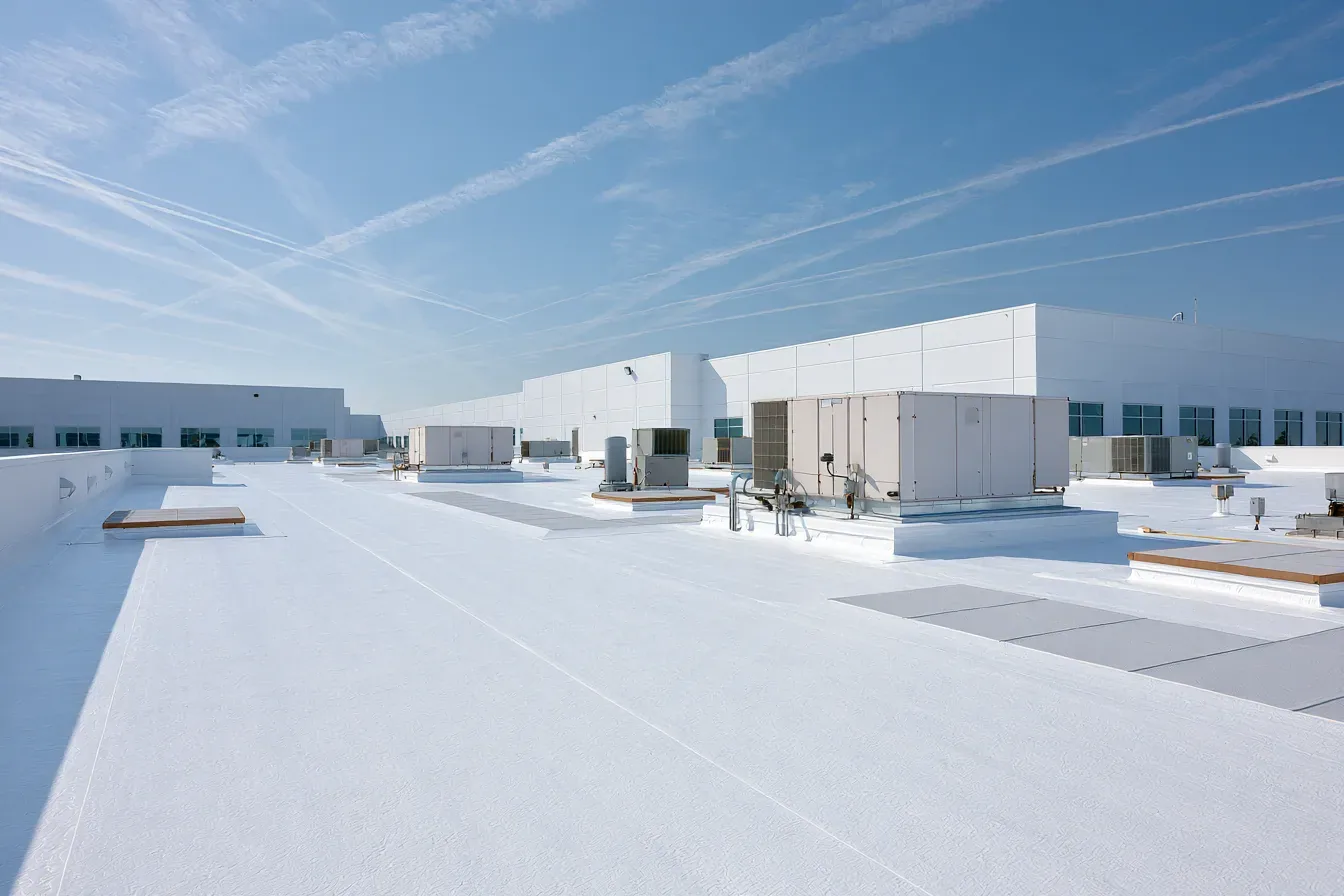
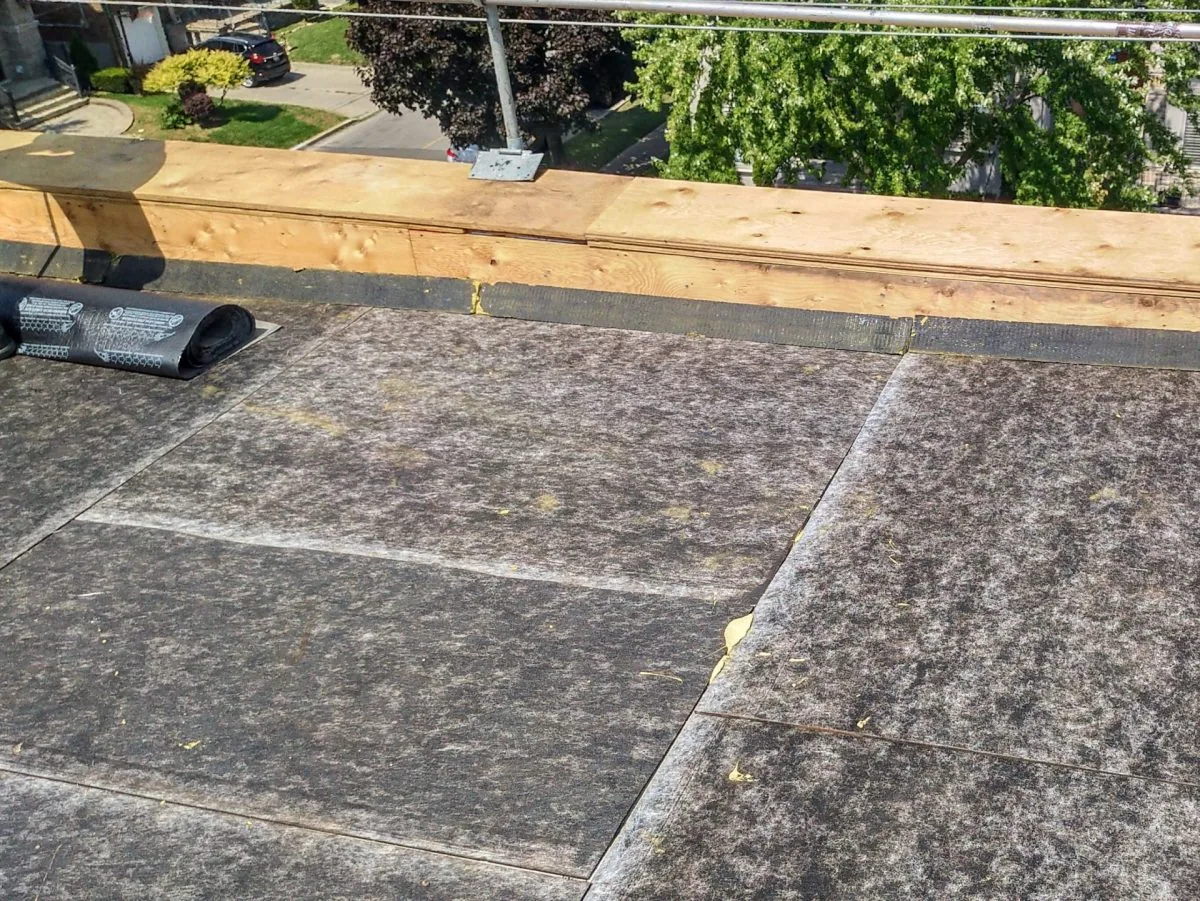
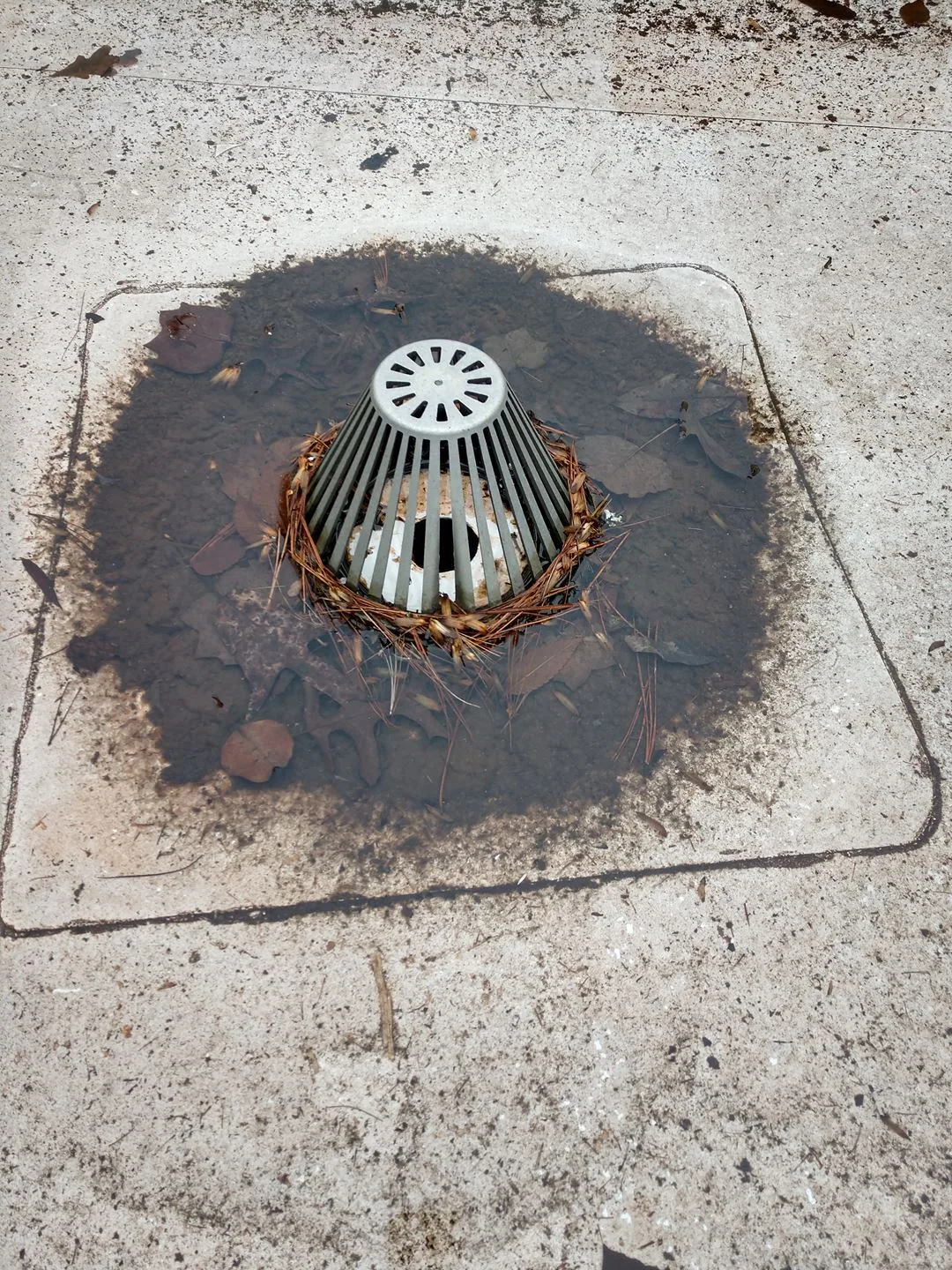
Before equipment is set, confirm that the curb, support and roof opening match the coordinated drawings and that the existing deck can carry the intended connection. The roof detail should show how the membrane terminates, how the curb is secured and which trade closes the assembly after utilities pass through. If the equipment layout shifts, review drainage clearances and service access again; a moved unit can block a drain or create a crowded flashing condition. Photograph the finished connection and note any future access restriction. This gives the facility team a reliable baseline when filters, motors or controls are replaced and the roof surface is exposed to repeat service traffic.