What should a roof inspection report contain so a general contractor can price from it?
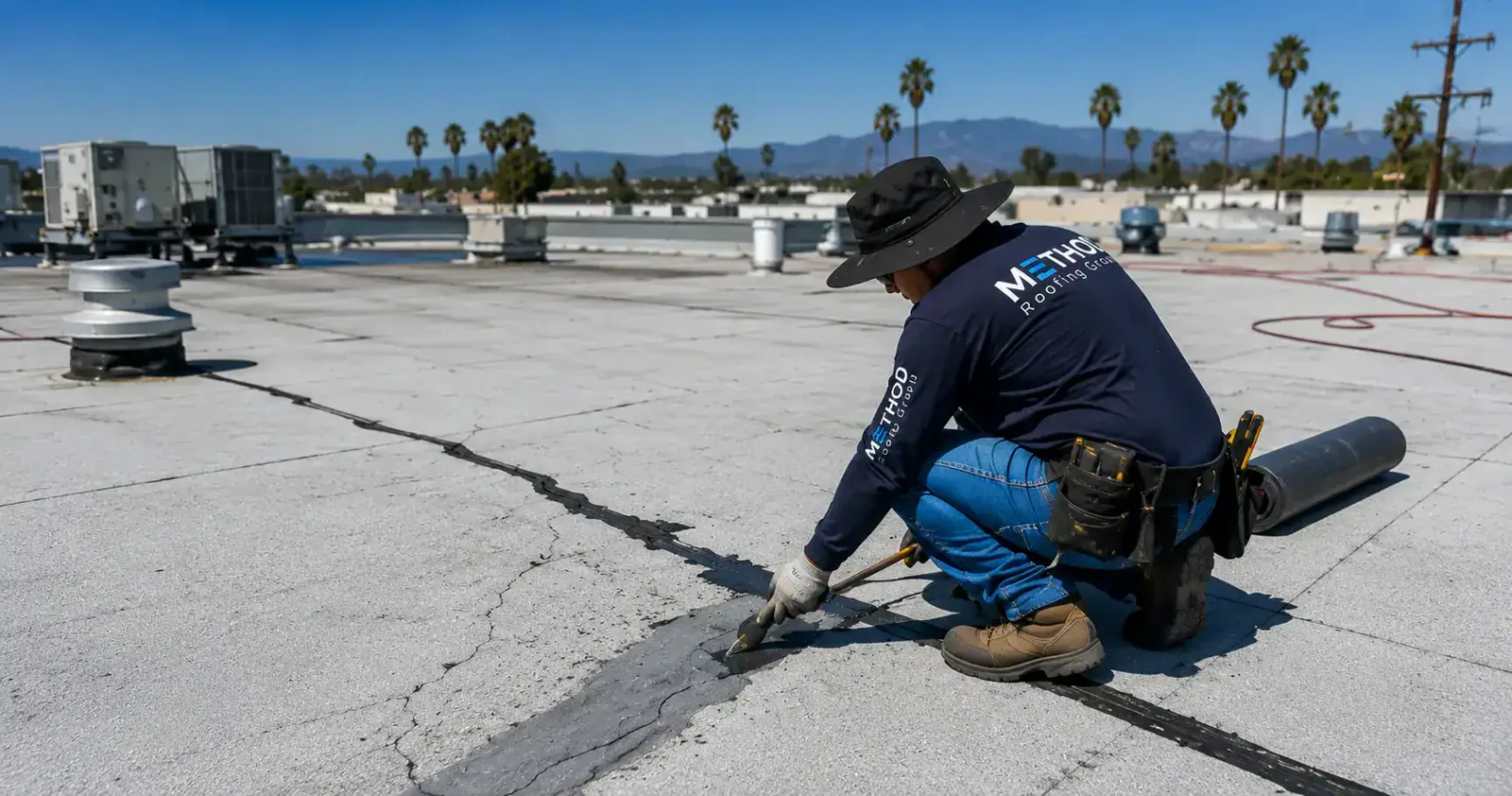
A location plan, keyed photographs, measured quantities where appropriate and recommendations tied to the evidence. The scope should identify inaccessible areas and distinguish observed defects from suspected causes. For bidding, identify which items are defined work and which need further investigation before quantities or repair boundaries can be fixed.
Do inspections need to happen in the wet season to be useful?
The purpose and access conditions guide the timing. A dry visit may suit close examination or planned openings, while observations after rain can help document water movement. Coordinate weather-sensitive methods separately; a wet surface or unsuitable temperature pattern can prevent a particular test from giving useful results.
Do you cut into the roof during an inspection?
Authorized test openings may be appropriate when concealed layers affect a decision. Agree on locations, compatible closure details and the means of protecting the opening before work begins. Results describe the sampled locations, and further investigation may be needed when those results differ or the untested area remains uncertain.
What will an inspection tell a buyer that the seller's roof report does not?
An independent scope can address the buyer's specific questions and document current accessible conditions. Compare it with the seller's records rather than assuming those records are incomplete. Additional testing, warranty review or structural evaluation may be necessary before using a roof finding to establish a reserve or negotiate responsibility.
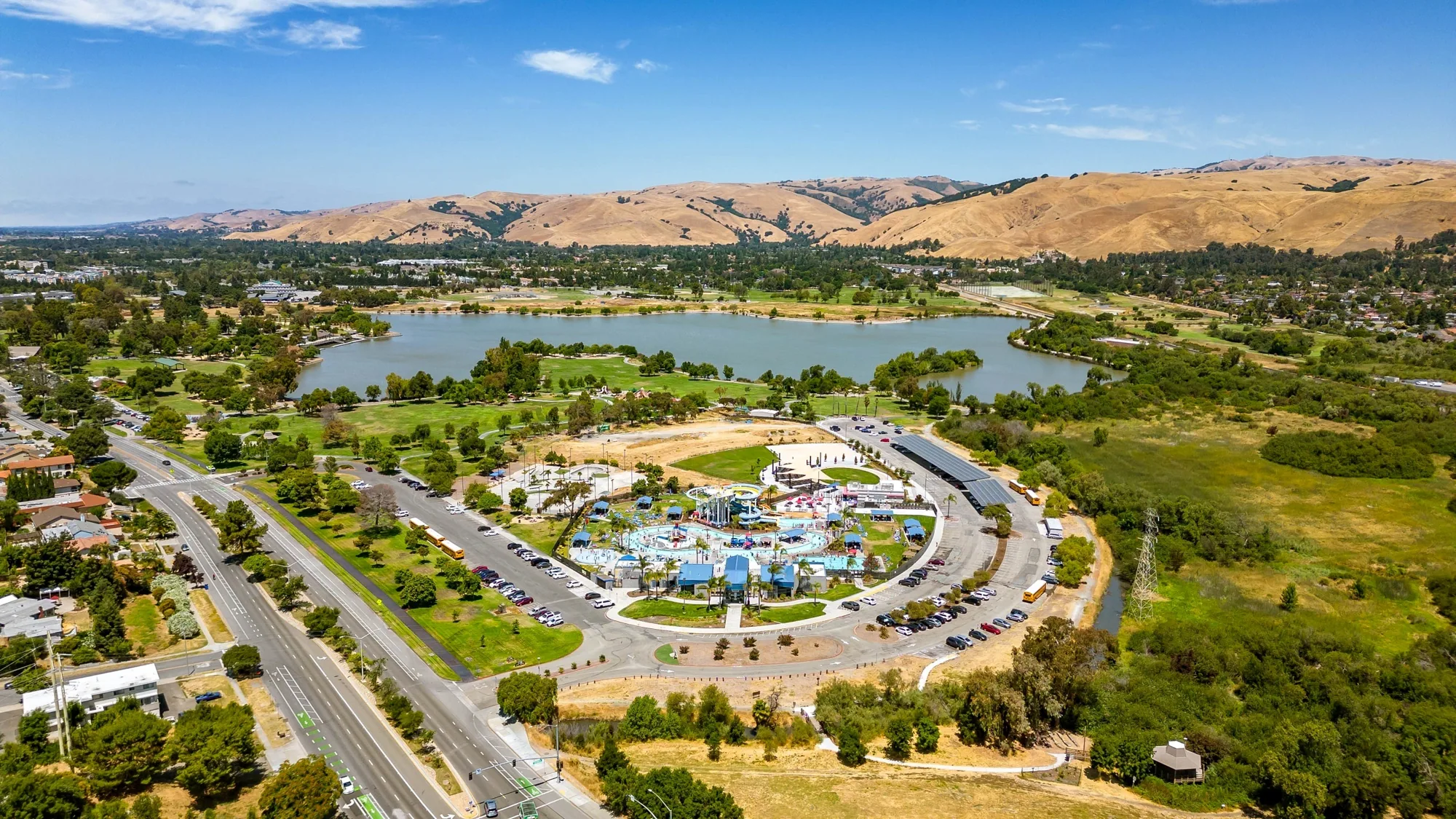
Which Fremont roofs should be walked more than once a year?
Set the frequency from the installed system's requirements, existing findings and changes in rooftop activity. Equipment modifications or a new leak can justify an additional visit. A recurring schedule should include a way to record those events between inspections, allowing the owner to respond before the next planned review.