What decides whether a follow-up visit is needed before closing?
The importance of the unanswered question to the buyer's proposed work or allowance is the deciding factor. Identify what access or testing would resolve it and whether that investigation is practical. If it remains open, state the scope exposure and review trigger. The buyer can then evaluate the uncertainty without treating it as confirmed condition.
Can building history establish the current roof assembly?
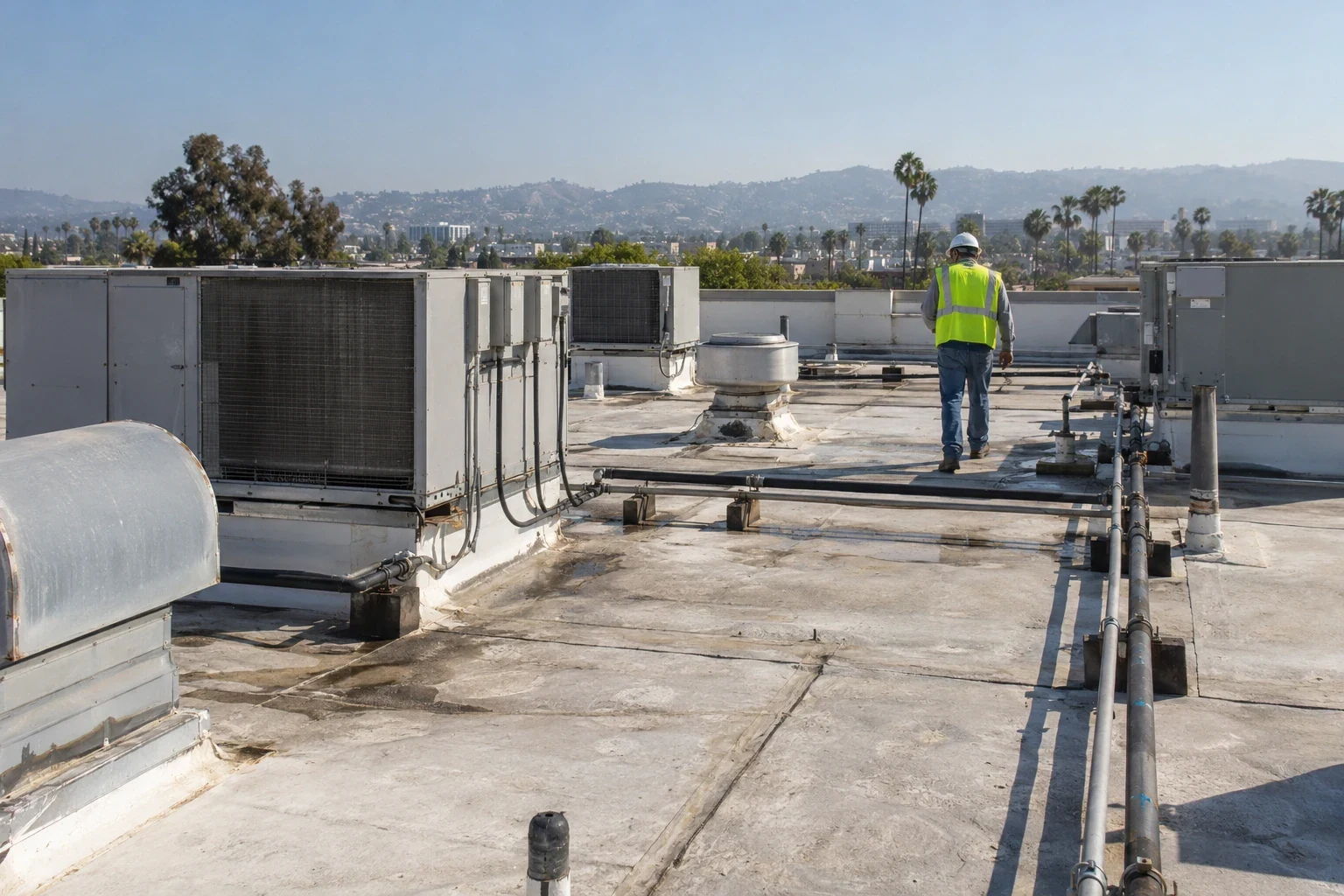
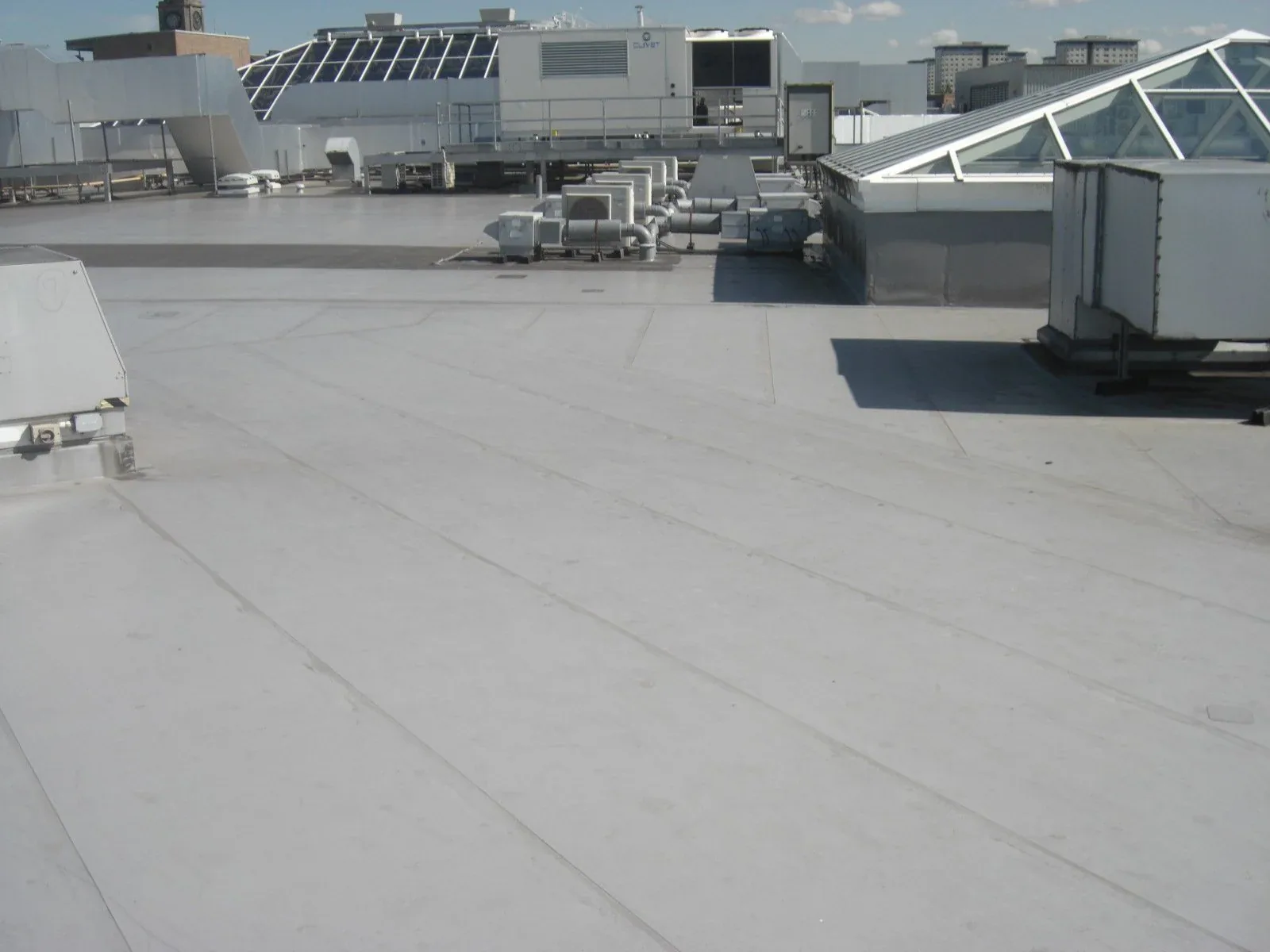
History helps locate records, but later layers, additions and equipment changes can alter the construction. Compare the documents with accessible details and investigate important gaps. The survey should retain the source of known dates and materials while keeping unconfirmed information visible, allowing the contractor to develop its scope from actual construction evidence.
How should two acquisition repair allowances be compared?
Reconcile roof areas, removed and retained materials, detail reconstruction, access and related trade tasks. Put measured quantities beside allowances and exclusions. Ask for the reason where scopes differ. The comparison is useful when the buyer can see whether both amounts address the same findings and operating requirements rather than merely carrying similar labels.
What should the general contractor receive after the purchase?
Provide the area plan, assembly information, defect locations and open investigation list, with access and equipment contacts. Keep the report date and limitations available. Add the buyer's approved tasks and subsequent completion records. Those inputs support coordination while leaving current design, permit and operating decisions to the project team developing the actual work.