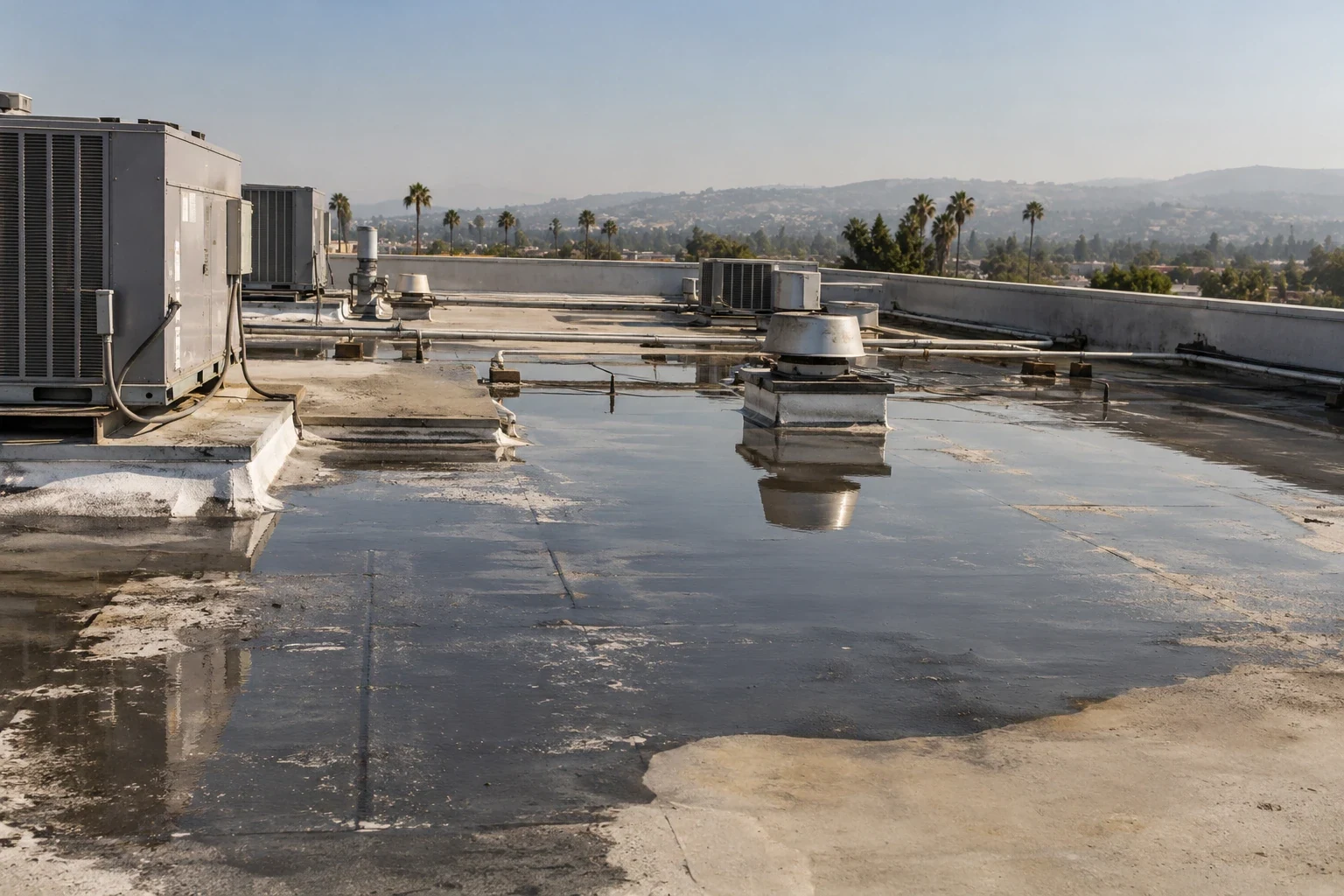
Preserve the completed layer description, relevant product information and the final layout, including deviations authorized during construction. Keep investigation locations and concealed-condition changes linked to the repair record. Where installation checks are specified, retain their results with the applicable system documentation. The facility team should be able to identify which assembly occupies a particular area when future equipment or repair work is proposed.
A roof condition record benefits from this information because later observations can be interpreted against the known construction. Assign custody of the package and a process for recording subsequent alterations. That gives the next general contractor a useful starting point for measurements and investigation while preserving the limits of what the earlier work established.
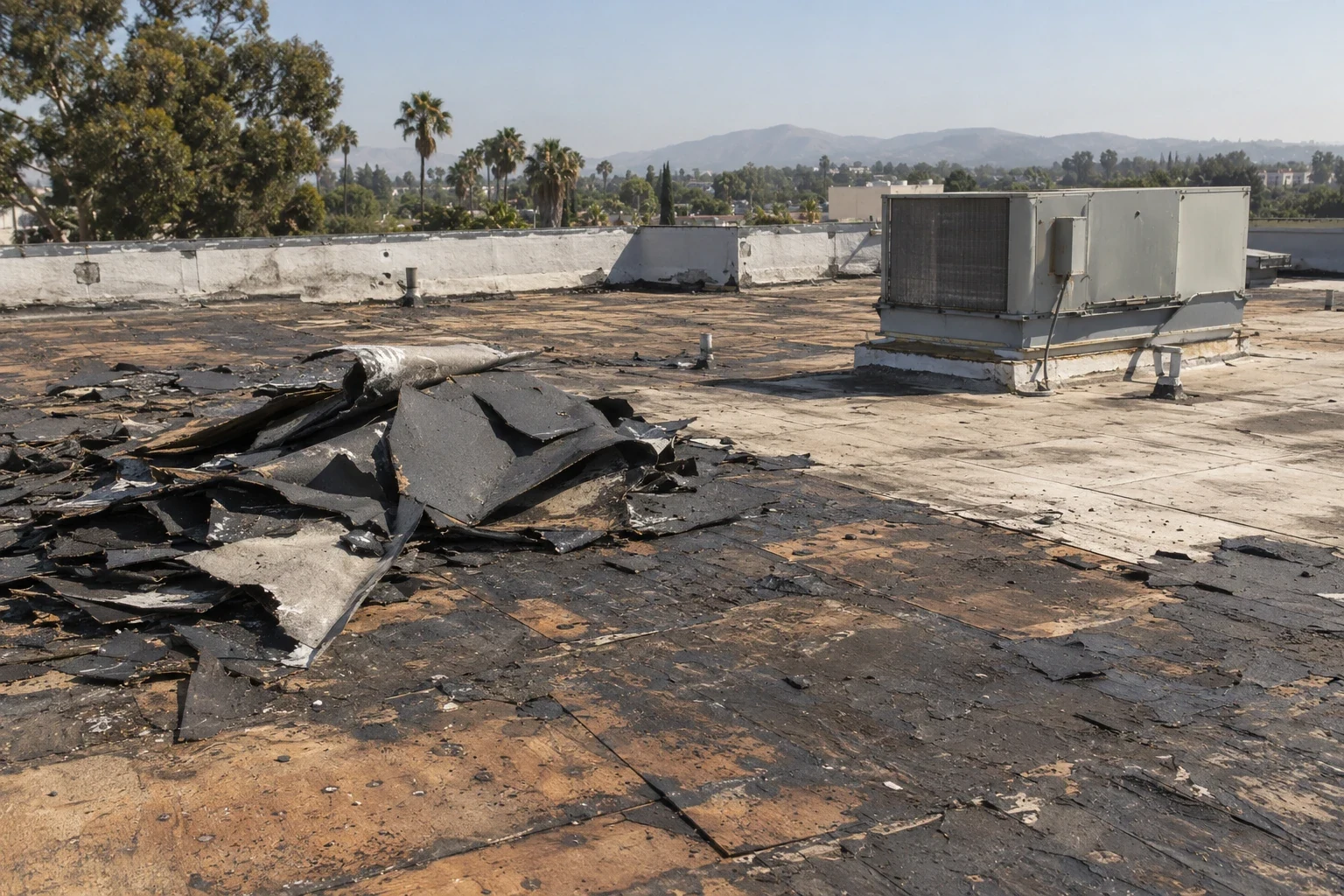
Insulation decisions follow the moisture and attachment findings, not a product preference alone. We map wet or damaged areas, confirm the deck condition where opened and note thickness changes that may affect drains, edges and equipment curbs. A cover board can provide a stable surface for a new membrane, but its attachment and compatibility belong in the assembly specification. During a reroof, coordinate those elevations with mechanical curbs and door thresholds so the new build-up does not create an unintended water path. The closeout should identify retained and replaced layers by area, giving future inspectors context when a core sample or repair exposes the roof cross-section.