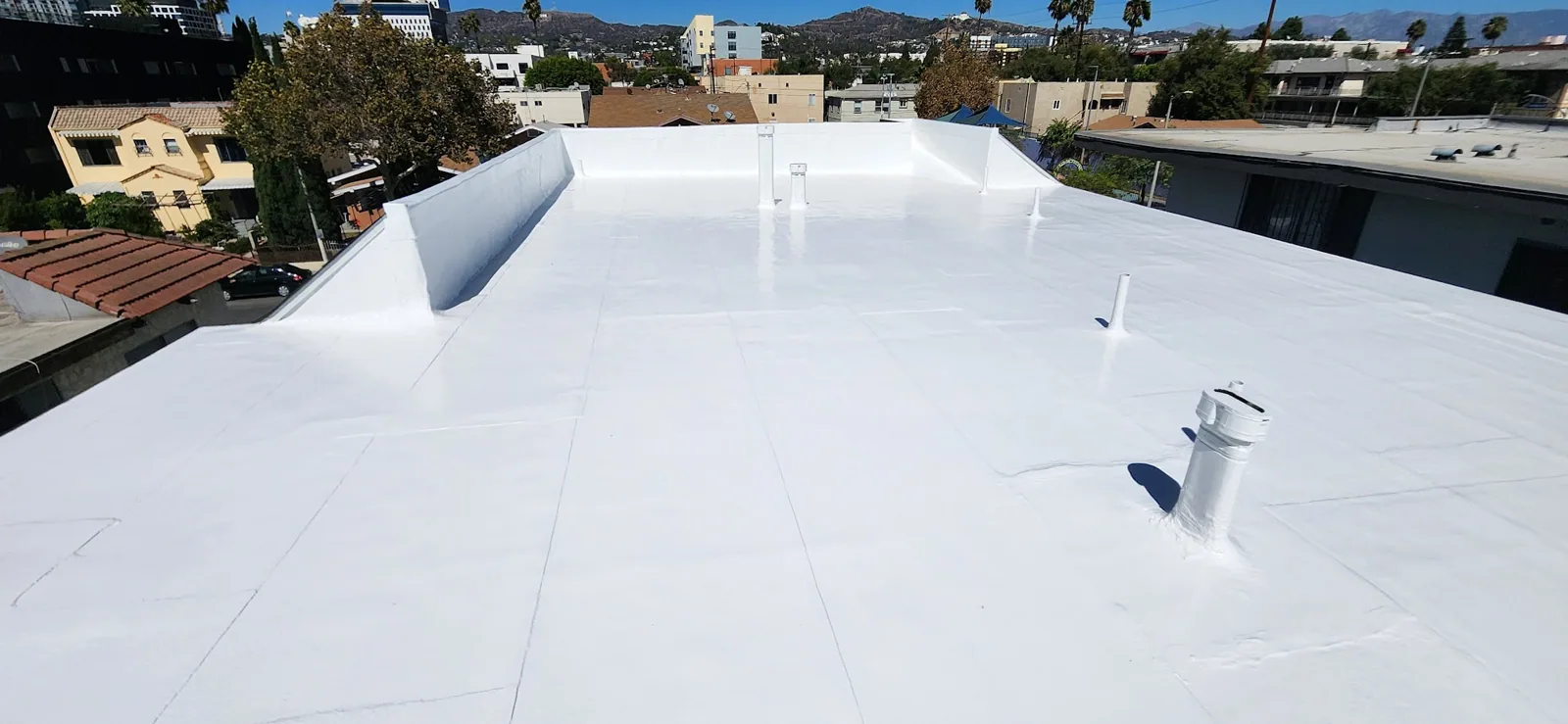
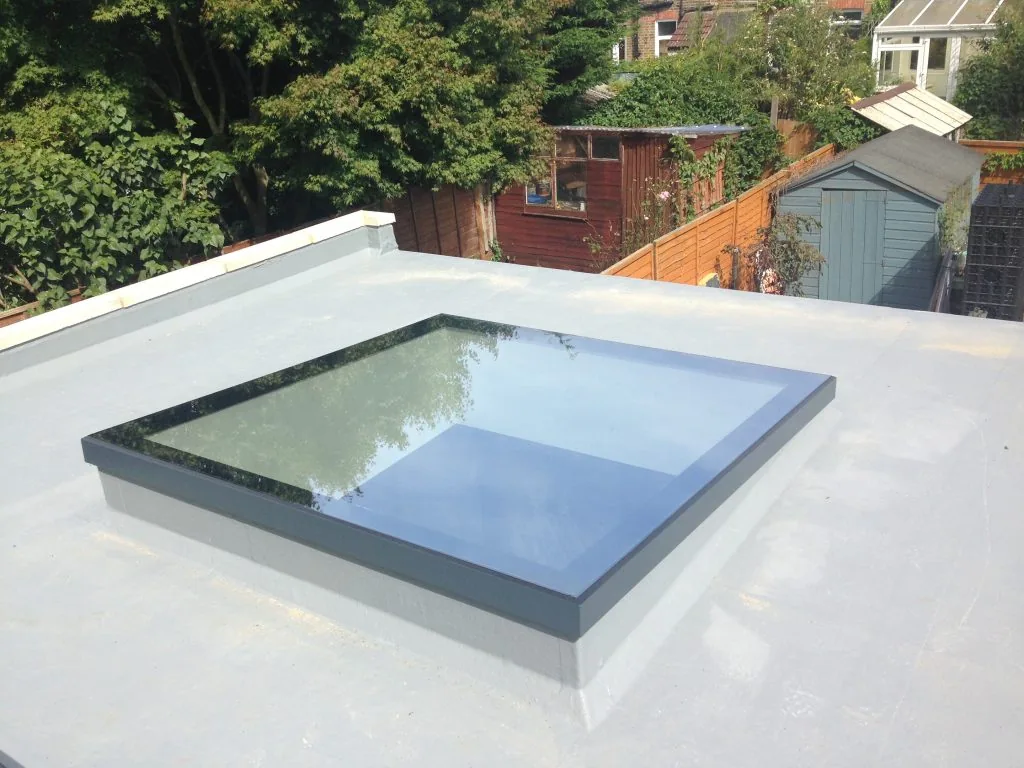
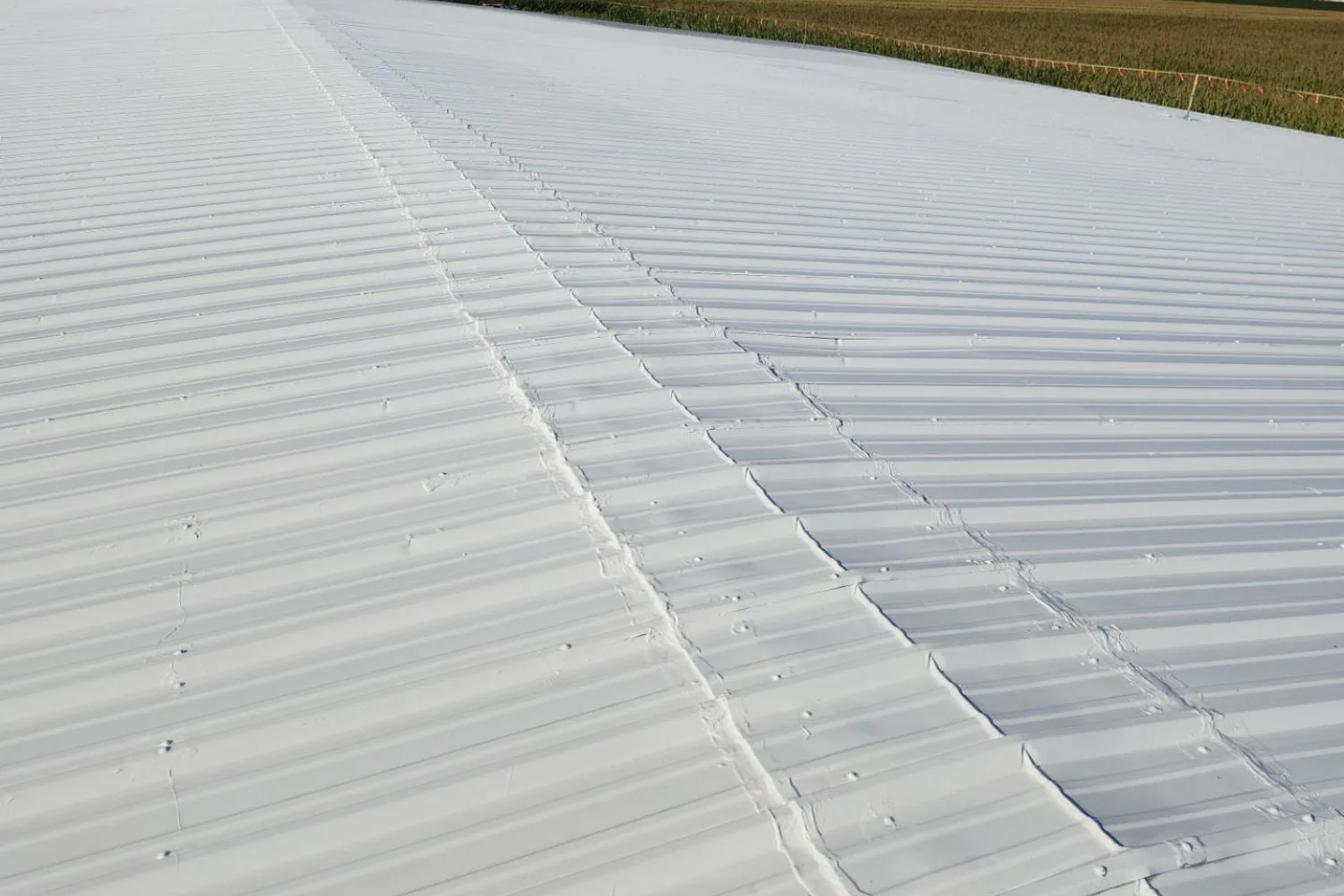
Record the prepared areas, repairs and coating products as the work progresses. Application requirements may include specified coverage, thickness checks or other quality-control records; use the selected system's criteria. Identify conditions that changed the work and preserve the resulting decisions. The closeout package should allow the owner to understand what was installed and how the completed system was evaluated, without implying that a photograph proves every application requirement.
Keep warranty provisions and maintenance instructions with the roof file. Through roof warranty management, the facility team can track required inspections, notifications and restrictions from the actual documents. Record later equipment modifications and repairs so future coating work can account for them. A restoration proposal is more useful when it includes this continuing care and the conditions that may call for another assessment, rather than an unsupported fixed extension of roof life.
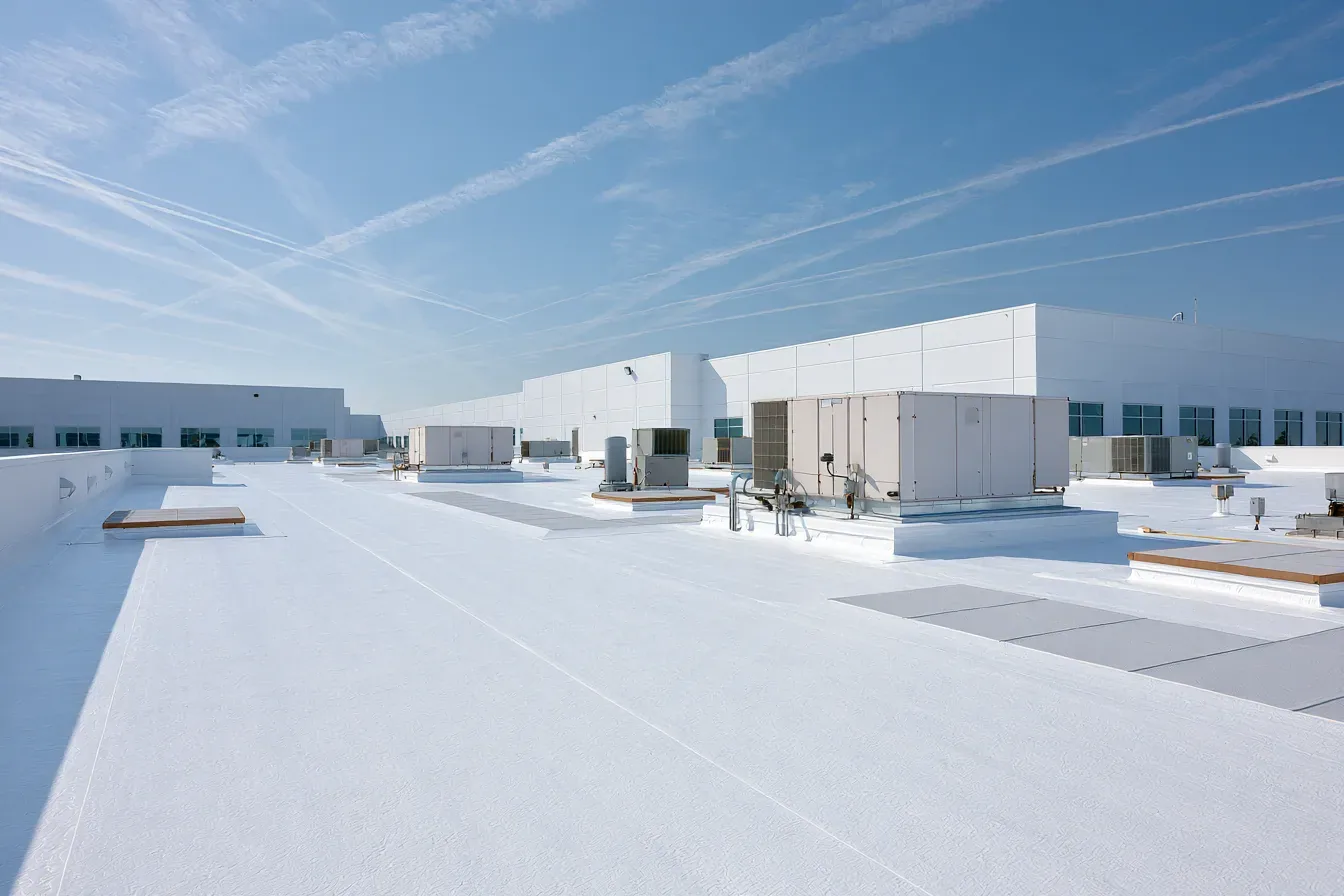
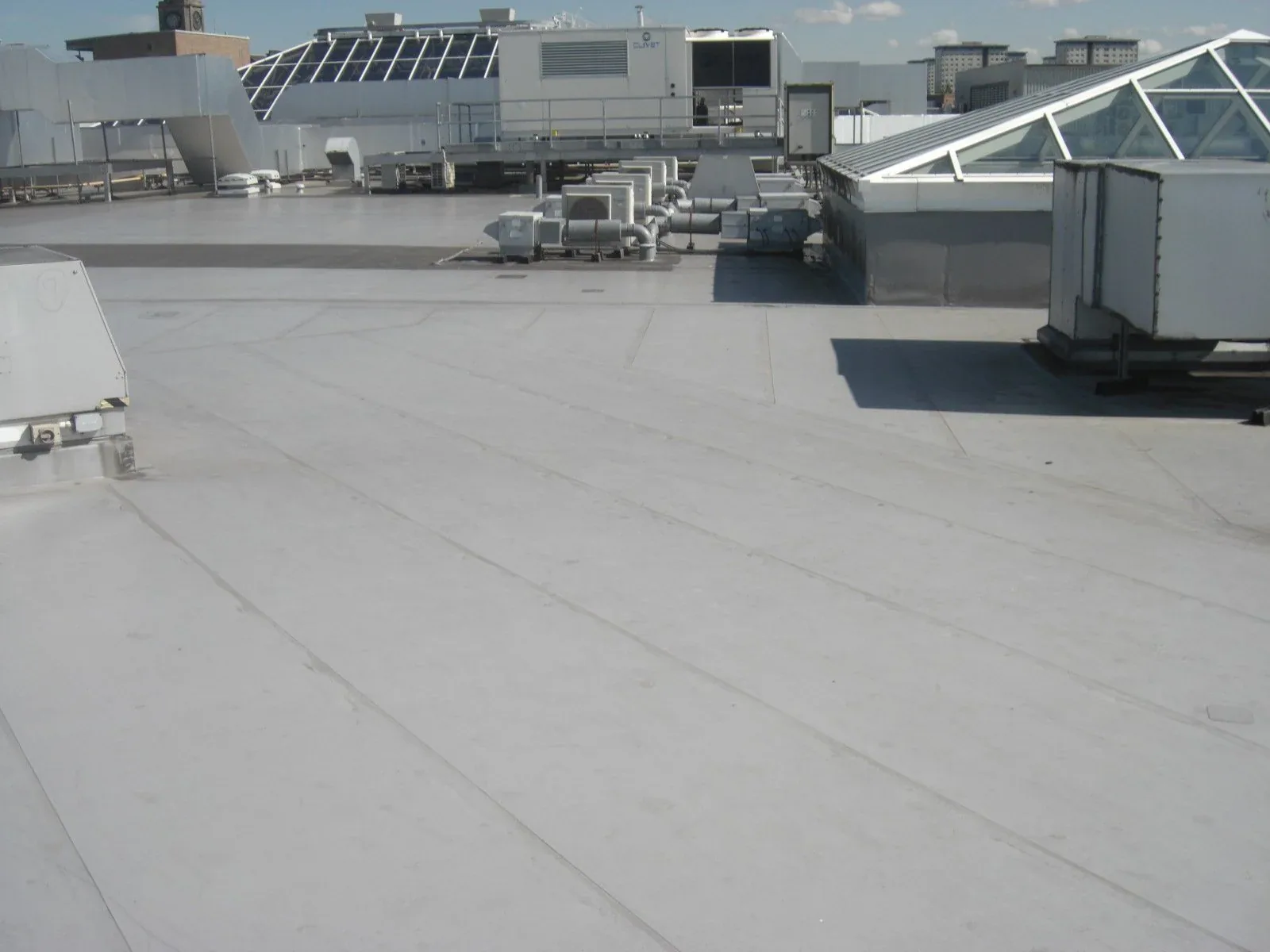
Before a coating scope is set, we examine the existing surface, seams, penetrations and drainage, then test whether the substrate can accept the proposed preparation and coating. Wet insulation, trapped moisture, weak adhesion or active leaks may require localized correction before a restoration layer is appropriate. The written scope should identify preparation limits, repairs, reinforcement details, application boundaries and the conditions that would stop work. That is especially useful when a general contractor is coordinating rooftop equipment or separate trades nearby. After installation, record the repaired details and retained assembly so future inspections can distinguish the coating from the original roof below it.