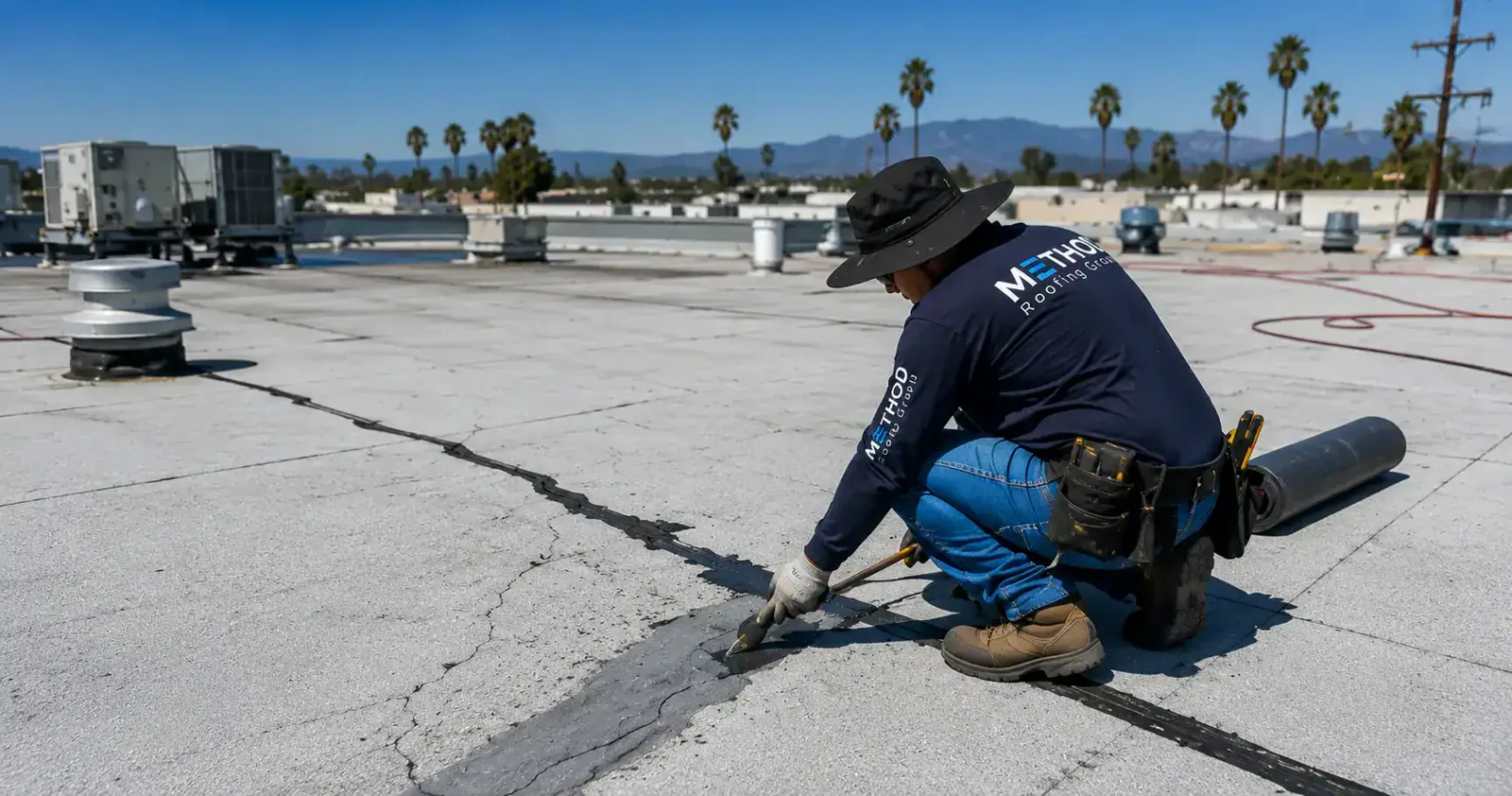
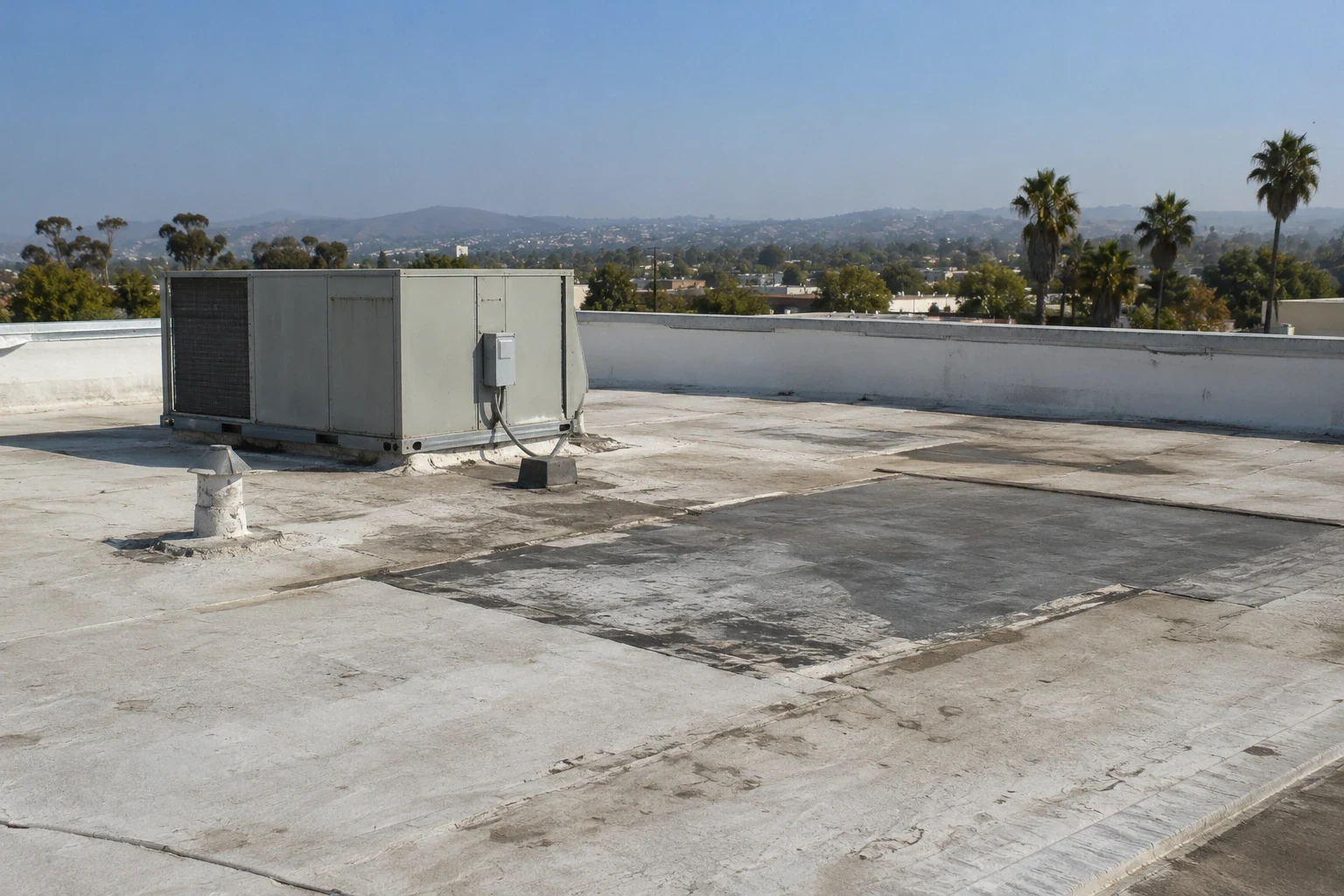
Keep proposed, approved and completed work distinguishable in the report, with photographs and material information attached to the corresponding location. A changed removal boundary retains its findings and review decision. Temporary protection remains identified with its follow-up task. Related equipment or support work stays open until its completion is documented, allowing the owner to see the actual status of the overall correction.
Capital planning uses that current record for future investment. Retain issued warranties and applicable alteration requirements alongside the property history, then revise the sequence as conditions change. The program remains useful when the contractor and facility team can retrieve a building's completed scope, open questions and next authorized task without reconstructing the portfolio from disconnected invoices.
A multi-property program should use common inspection fields while allowing each location to retain its own assembly and operating limits. We group findings by property, roof zone, condition and next action, then identify which repairs can share a mobilization and which need a separate shutdown window. Central staff can compare priorities, while local facility contacts confirm access and tenant impacts. Each completed job should update that property's photographs, materials and open observations. The result is a portfolio record that supports planning without flattening differences among Fremont, Newark, Union City and other service areas. When the program repeats, managers can track completed corrections and open risks using a consistent handoff.