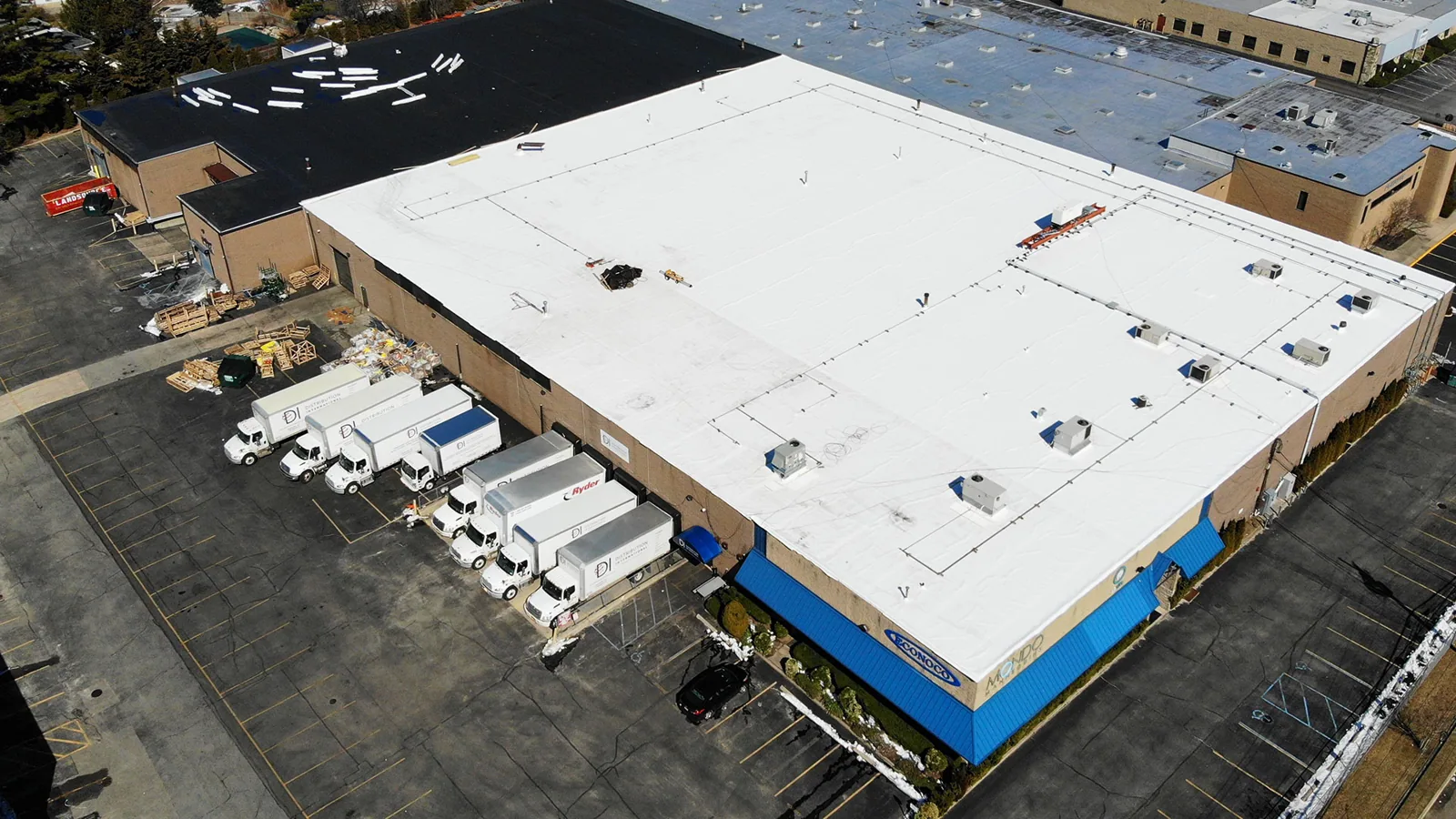
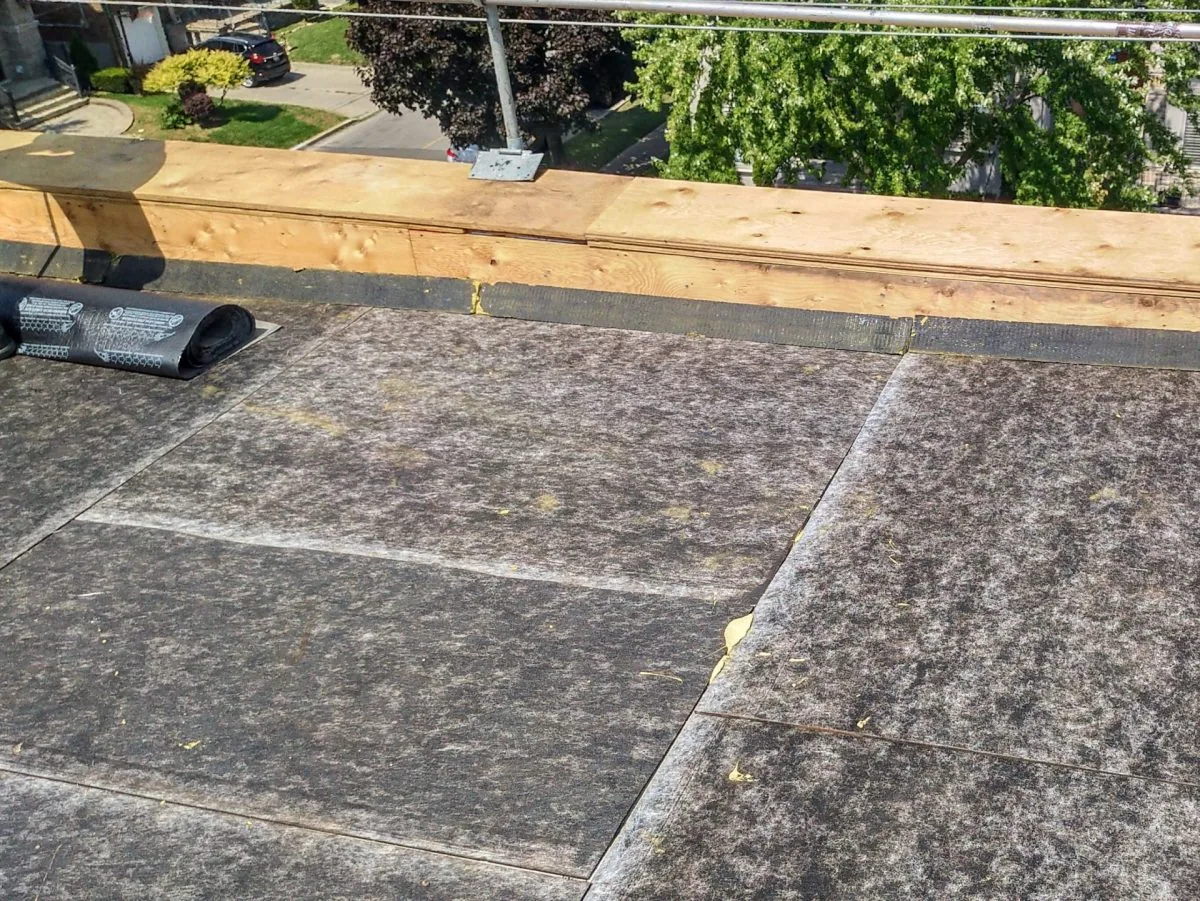
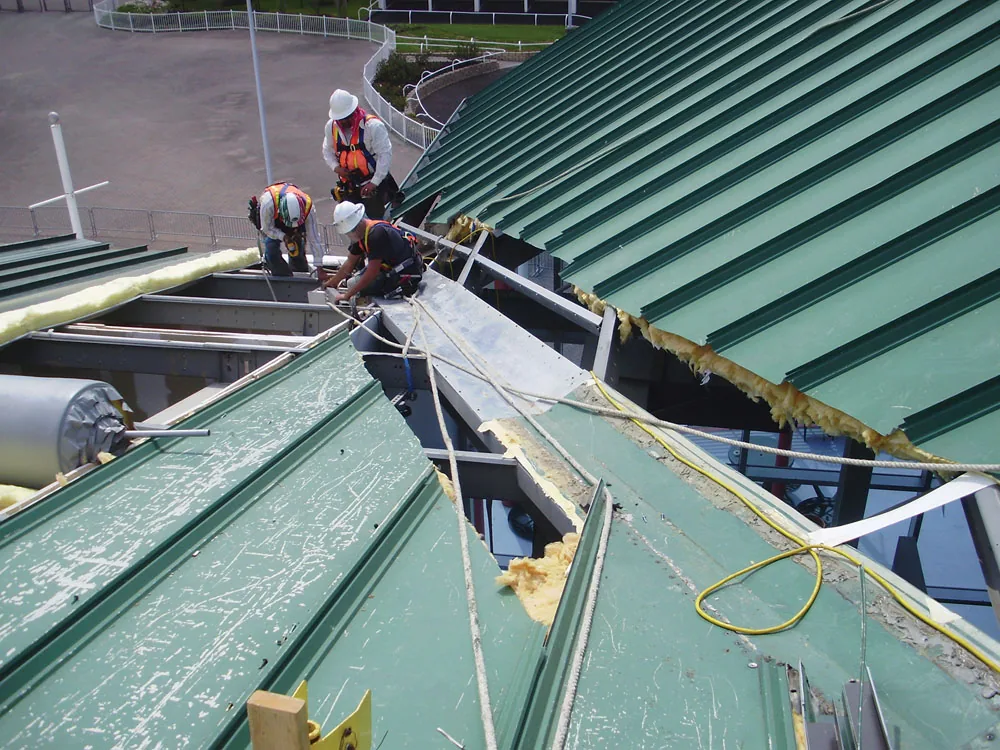
At closeout, retain the applicable product data, approved assembly information and records required by the project's review. Include the locations of different systems and changes authorized during construction. Installation checks should follow the specified requirements, with relevant results kept in the roof file. A photograph of the finished color is useful context but cannot establish the concealed assembly or every required application property.
Give the facility team the selected system's maintenance instructions and the actual warranty documents. Later repairs, coatings or equipment alterations may change the surface or interfaces and require review. Keep those changes with the roof record so future project teams can identify what is installed. The owner then has practical documentation for the next decision, alongside the original basis for the reflective-roof selection.
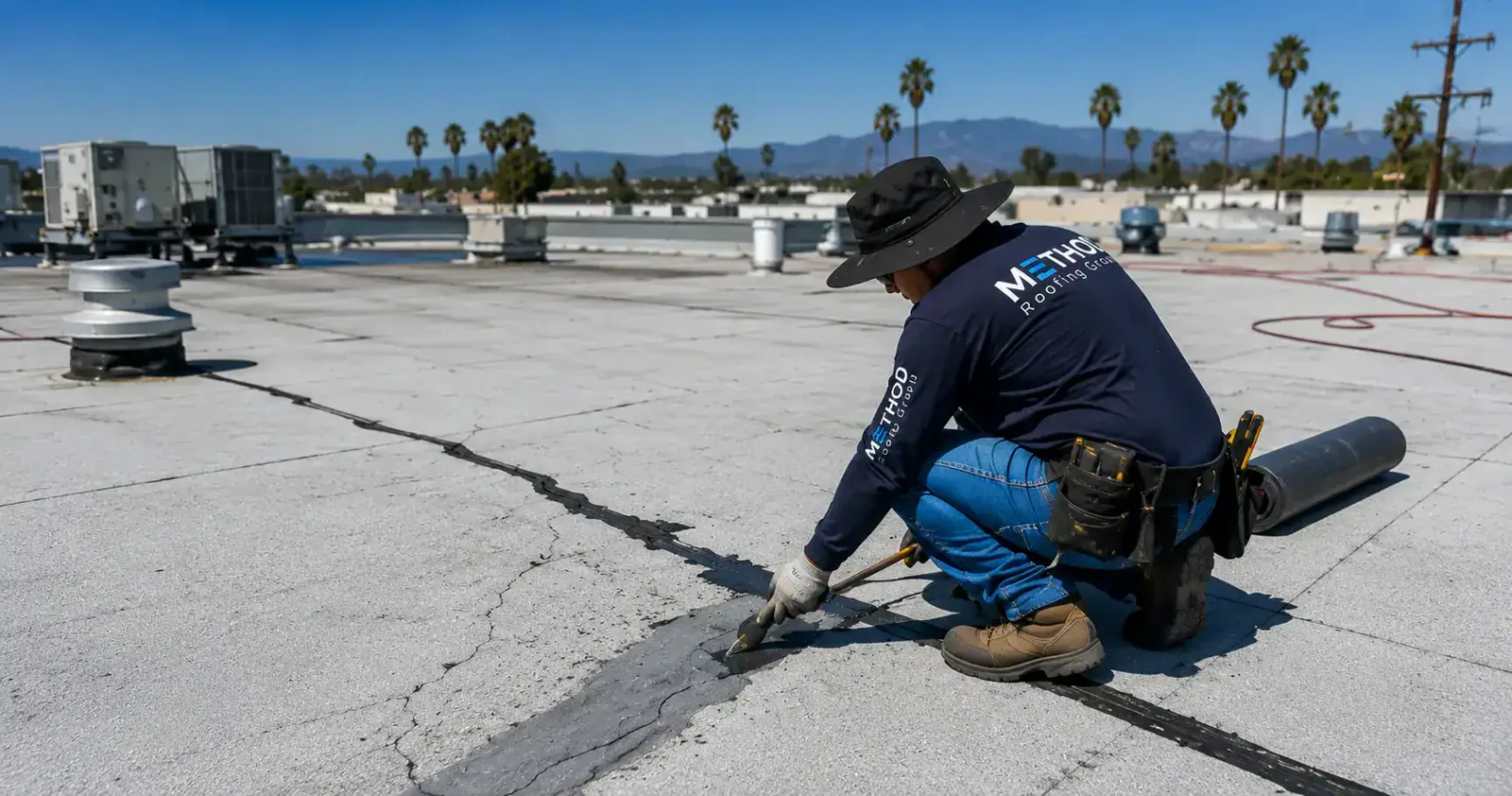
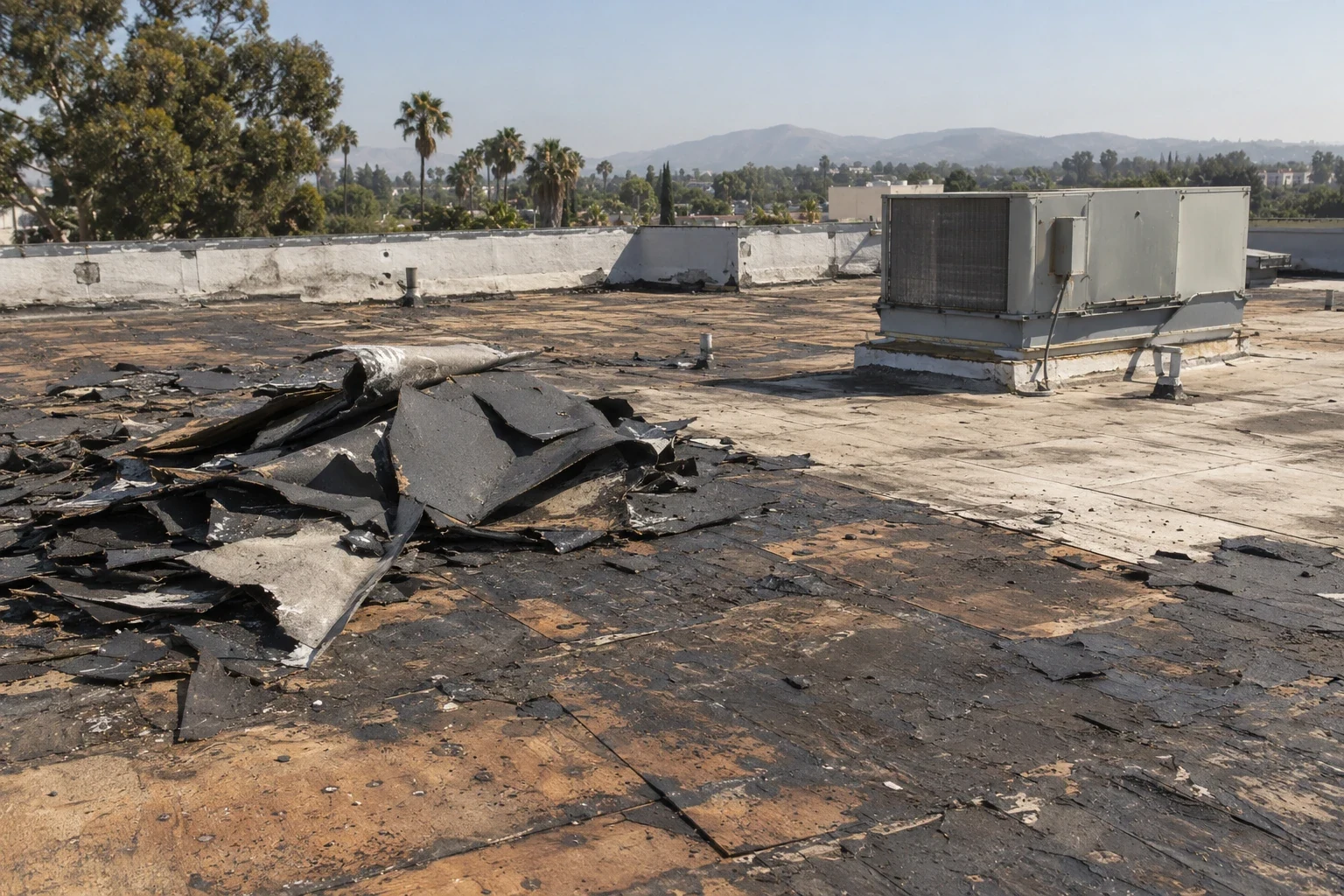
A reflective surface changes solar exposure, but the project still depends on a compatible assembly, sound substrate and functioning drainage. We assess the existing membrane and insulation before selecting a cool-roof approach, then coordinate the work around rooftop equipment and planned tenant improvements. The scope should state where the new surface begins and ends, how penetrations and perimeters are detailed, and whether moisture or deck repairs are required first. On an active Fremont building, staging and protection also need to account for interior operations during preparation. At turnover, retain product and application records with a roof plan so future repairs can use compatible materials and maintain the completed system.